


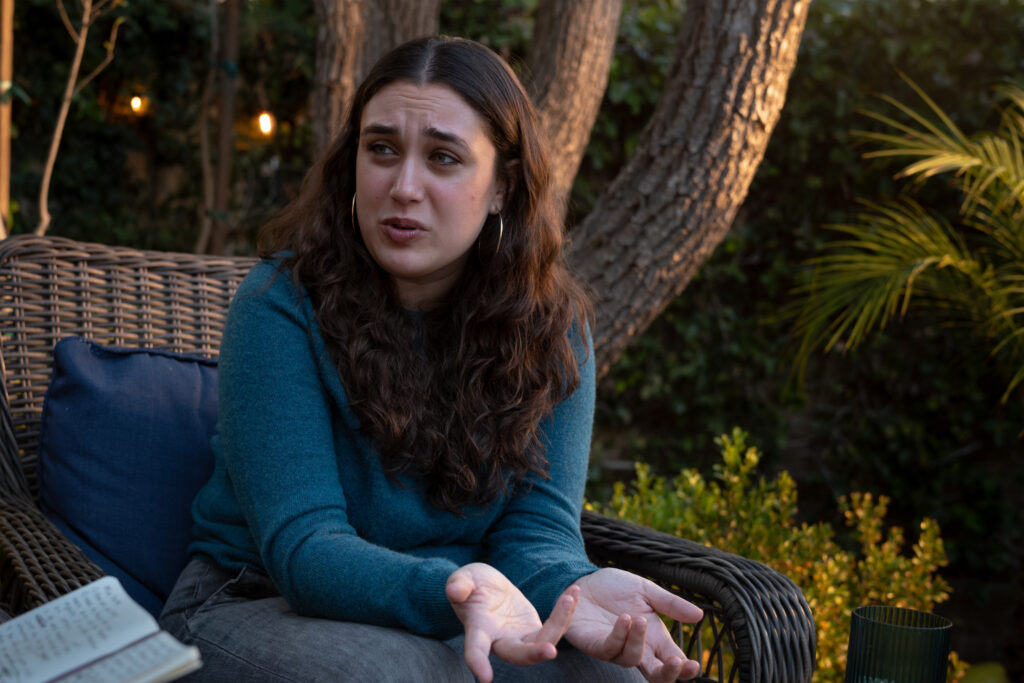
In 2019, Mia Tretta, then a high school freshman at Saugus High School in Santa Clarita, California, was struck in the stomach by a round from a .45-caliber semiautomatic handgun fired by a schoolmate. Two students were killed during the attack, including her best friend, and two others were injured.
When she graduated from high school, she enrolled at Brown University, the scene of another shooting in December 2025, while she was studying for finals in her dorm room.
As messages flooded in about an active shooter on campus, she felt pain where she had been shot in the stomach. The college junior experienced a phenomenon she called “phantom bullet syndrome,” similar to phantom limb syndrome, in which someone senses something is there that is not. It occurs whenever she feels extremely stressed, she said.
“It’s crazy to say that the first time, I was the lucky one because though I got shot, I didn’t get killed,” said Tretta, now an anti-gun violence advocate who is studying public affairs and education. “And the second time, I was the lucky one because I was a few blocks away.”
Tretta represents a small but growing cohort of young people who have lived through more than one shooting. She also embodies the findings of a recent study that links gun violence exposure to chronic pain.
The study, published in BMC Public Health in January, found that both direct and indirect exposure to gun violence are linked to higher rates of chronic pain among American adults.
Rutgers University researchers studied six types of gun violence exposure: being shot, being threatened with a gun, hearing gunshots, witnessing a shooting, knowing a friend or family member who was shot, and knowing someone who died by firearm suicide. Using a nationally representative survey of 8,009 people, they found that 23.9% had pain most days or every day, while 18.8% said they had a lot of pain.
Daniel Semenza, the study’s lead author, told The Trace that whether someone has lost a person to gun violence or they’ve been shot themselves, their mental and physical health are inextricably linked.
“Your body, through the experience of post-traumatic stress, is going to feel as if it’s happening over and over and over again,” said Semenza, the director of research at the New Jersey Gun Violence Research Center and an associate professor at Rutgers University.
Tretta underwent surgeries to remove the bullet, she said, and later received a nerve block to address ongoing pain from her injuries. But the bullet fragments remain in her body years later, she said.
She was also diagnosed with psoriatic arthritis — a chronic disease causing swelling, pain, and stiffness in the joints.
“I have dealt with chronic pain, immunodeficiencies, and bodily differences ever since the shooting happened,” Tretta said. “Every time I get a fever, it’s a completely different thing than anyone else I know, or even pre-shooting for me. I shake un