


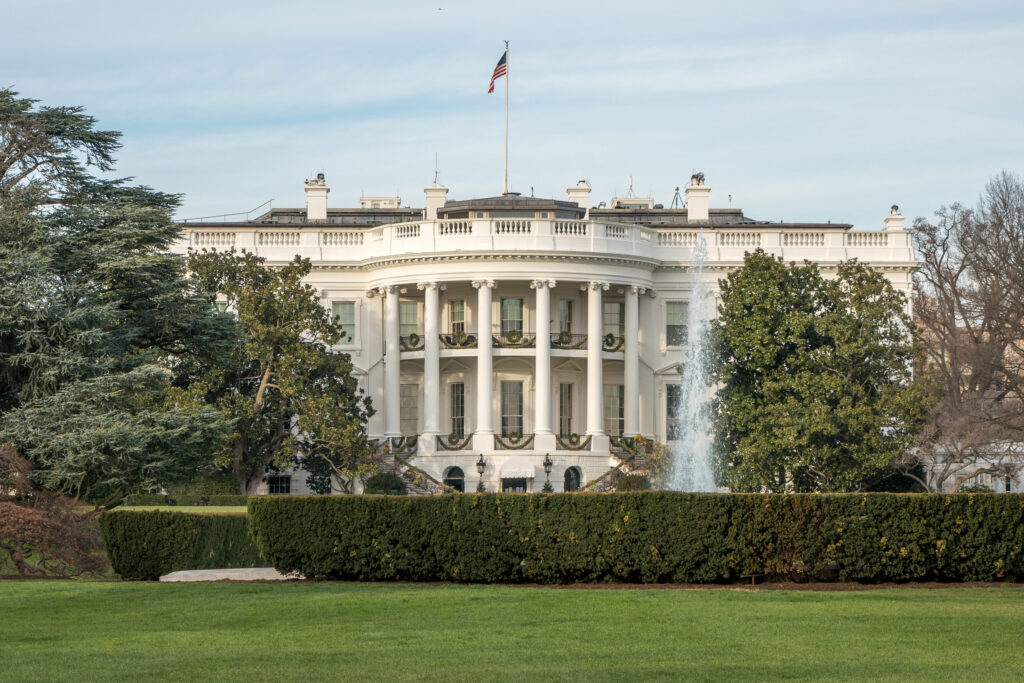
The White House’s newly released strategy for tackling the nation’s drug and addiction crisis calls for a number of ambitious public health approaches that some experts say are laudable but will be hampered by the administration’s own actions.
The sweeping 195-page National Drug Control Strategy, published May 4, advocates for making access to treatment easier than getting drugs, preventing young people from developing addictions in the first place, increasing support for people in recovery, and reducing overdose deaths.
Those broad goals are widely supported by public health researchers, addiction treatment clinicians, and recovery advocates.
But accomplishing such goals will be difficult in the face of the administration’s mass layoffs of federal employees, cancellation of research and community grants, attacks on organizations and practices that serve people who use drugs, and cuts to Medicaid, the state-federal health insurance program for low-income people that is the largest payer for addiction and mental health care nationwide.
Many components of the National Drug Control Strategy are “things that we would agree with and that we fully support,” said Libby Jones, who leads overdose prevention efforts at the Global Health Advocacy Incubator, a public health advocacy group.
But there are “disconnects in what the strategy says is important and then what they’re actually going to fund,” she said of the Trump administration. “Those inconsistencies feel particularly loud in this strategy.”
The White House’s National Drug Control Strategy, released every two years, is a touchstone document meant to lay out the federal government’s coordinated approach to what in recent decades has been one of the country’s defining problems.
Since 2000, more than 1.1 million people have died of drug overdoses. Although deaths have decreased recently, the numbers remain elevated compared with earlier decades, and research suggests overdose death rates among Black Americans and Native Americans are disproportionately high.
The strategy document published this week is the first of President Donald Trump’s current term. In keeping with the administration’s approach to addiction issues, it places heavy emphasis on law enforcement efforts to reduce the supply of illicit drugs. The document repeatedly refers to the ongoing “war” against “foreign terrorist organizations” — the Trump administration’s term for drug cartels — and touts increased enforcement at U.S. borders.
It also outlines plans to implement artificial intelligence technologies to screen for illicit drugs brought into the country and wastewater testing to detect illegal drug use nationwide.
The second half of the strategy focuses on reducing the demand for drugs through public health prevention efforts, addiction treatment, and support for people in recovery. It promotes the role of religion in recovery and calls for the widespread