


If you or someone you know is seeking help for addiction recovery, contact the free and confidential treatment referral hotline, 1-800-662-HELP, or visit findtreatment.gov.
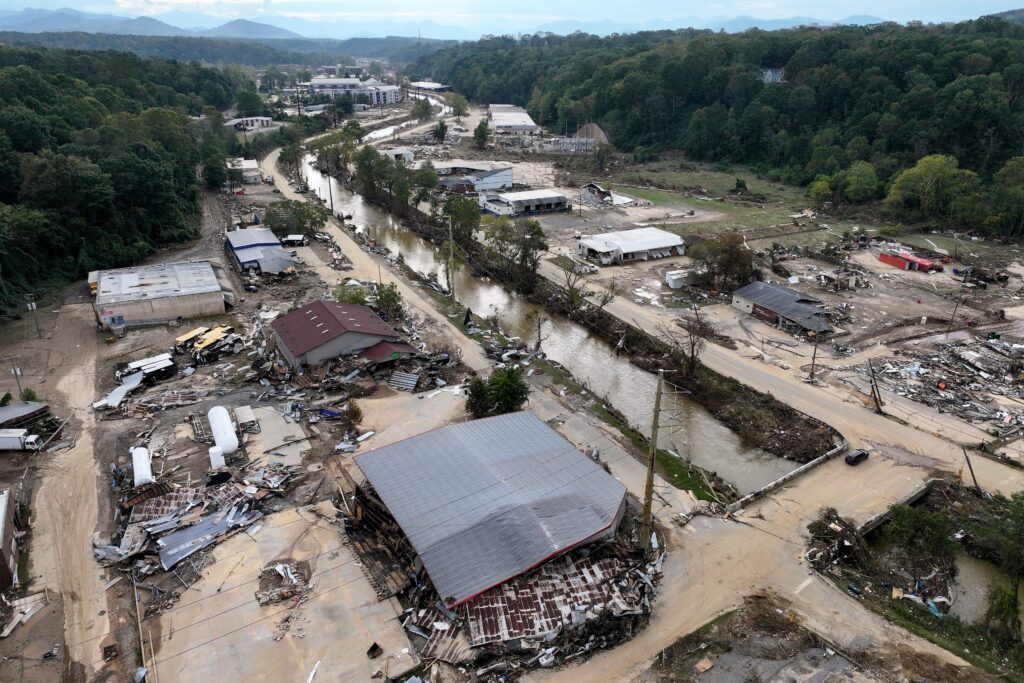
A day after Hurricane Helene ripped through western North Carolina in late September 2024, Toni Brewer had no power or water. The storm had strewn fallen trees across most roads, wiped out phone and internet communications, and put some neighborhoods near her Asheville home underwater.
Brewer cleared out the food in her refrigerator, grabbed some clothes, and drove more than an hour southwest with her partner to Franklin, to stay with relatives.
When she arrived, she opened the center console of her car, where she kept medication, and discovered another crisis. She had only three days’ worth of Suboxone, a brand of buprenorphine, a prescription drug that eases opioid cravings. Without it, she risked relapsing into a life she described as miserable.
She recalled what it felt like to have those cravings and panicked.
“It’s terrifying just to have that feeling again of, ‘I need this, and I’ll do whatever it takes to get this,’” said Brewer, who had been in recovery from opioid addiction for 18 months at the time. She needed a new prescription but knew communication lines at her doctor’s office were down.
Now, a group of doctors is using the example of Hurricane Helene to urge federal lawmakers to help improve access to substance use medications in severe weather emergencies. Four physicians working in addiction medicine published an American Journal of Public Health editorial that outlines strategies for getting medication to people in recovery during natural disasters.
As climate change threatens to cause an increased number of disasters in the U.S., the group of doctors urged state and federal governments to act soon or risk allowing more disasters to aggravate overdoses, relapses, and deaths caused by opioid use disorder, an ongoing epidemic that has killed more than 800,000 people in the U.S. since 1999.
One study estimated that after Superstorm Sandy in 2012, 70% of New Yorkers who relied on recovery medications couldn’t get enough of them. In the two years following Hurricane Maria’s devastation in Puerto Rico in 2017, overdose reports increased, another study found. The Tubbs and Camp fires in Northern California caused substantial disruptions in patients’ access to opioid addiction medications, found a study published in 2022.
A combination of factors aggravates the opioid crisis in the U.S., the AJPH editorial authors noted. Mental health stressors, treatment disruptions, drug market volatility, and economic decline all create conditions in which climate-related disasters heighten the risk of overdose deaths.
“We make it so challenging for them to access treatment medications in the first place,” said Elizabeth Cerceo, the climate health director at Rowan University’s Cooper Medical School and a co-autho