Connect with us

HealthNews

Final Rules for Medicaid Work Requirements Are Out. Here’s What You Need To Know.
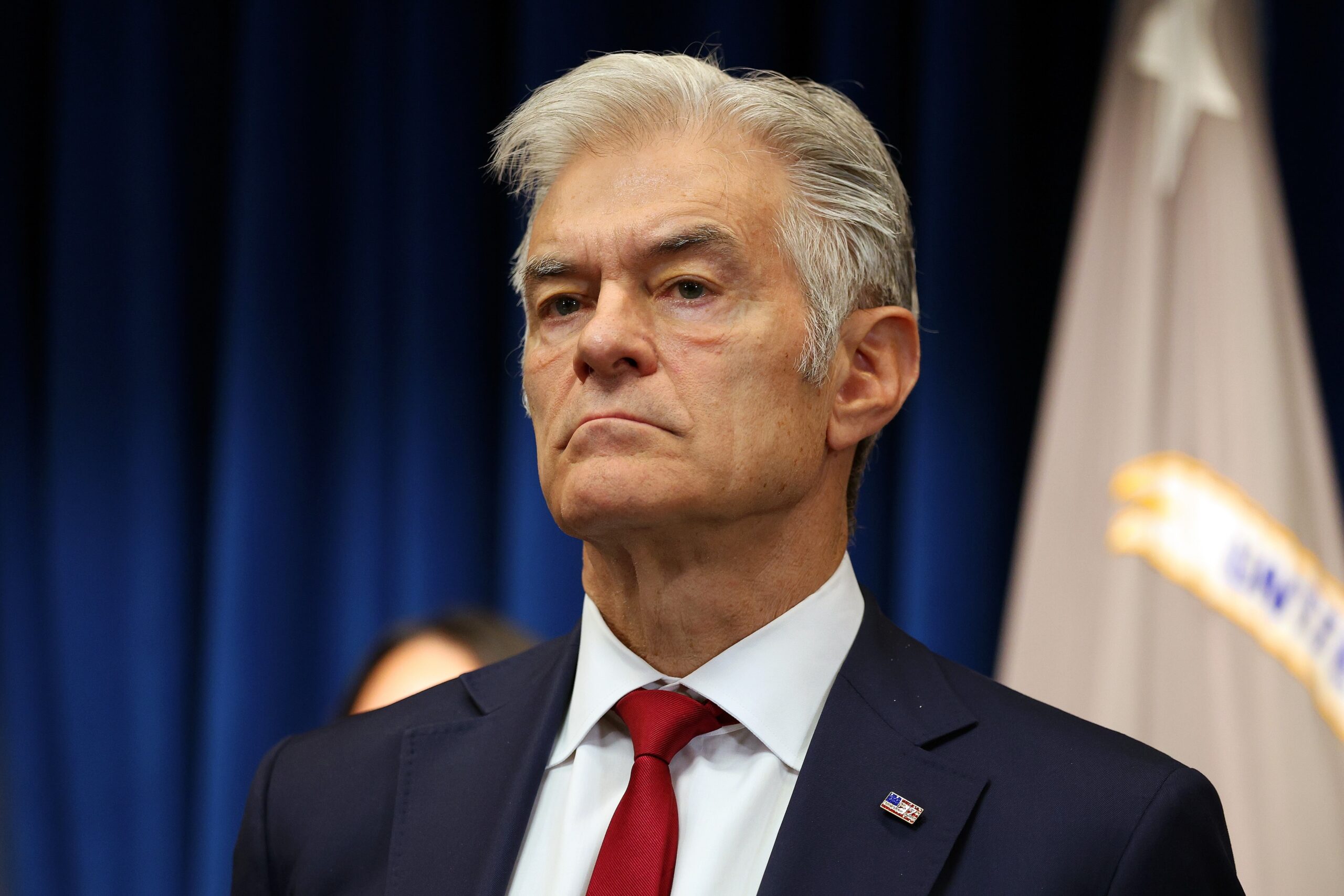
​The Trump administration has issued final rules on how states should ensure that millions of Medicaid enrollees prove they’re working or completing other activities, such as job training, volunteering, or being enrolled in an educational program.

The Centers for Medicare & Medicaid Services released the rules on June 1. That deadline was set last year in the GOP tax-and-spending law known as the One Big Beautiful Bill Act, which established a work requirement for certain people enrolled in Medicaid, the state-federal health insurance program for people with low incomes or disabilities.

Medicaid agencies are scrambling to rework IT systems and make sure they have staff to effectively enforce the rules, while also keeping enrollees from losing coverage for administrative reasons, such as difficulty navigating state eligibility portals.

The newly announced regulations offer a clearer picture of what roughly 18.5 million Medicaid enrollees will have to do to prove they qualify for benefits.

Jim Torres, who helps people enroll in health coverage at the Samuel U. Rodgers Health Center in Kansas City, Missouri, said a “very small percentage” of his clients have heard of the changes coming to Medicaid.

“These folks have very busy lives. They’re doing the best they can to get by,” he said. “It’s just not a top-of-mind thing for most of them.”

Health policy researchers and consumer advocates said enrollees should keep a few things in mind as the Jan. 1, 2027, rollout approaches in most states.

1. The work rules won’t apply to everyone.

The new rules will apply to people covered through what’s known as Medicaid expansion. Since 2014, more than 40 states and the District of Columbia have decided to allow more people into their Medicaid programs, generally low-income adults without dependents. Georgia and Wisconsin offer coverage to some people in this group, so they’ll be subject to the rules.

Children and pregnant people, as well as individuals with disabilities who receive Social Security payments — all groups that already qualify for Medicaid — won’t be subject to the rules. Nor will people determined to be “medically frail,” or too sick to work.

People subject to the work rules are “crowding out” people in the Medicaid program who are “truly in need,” CMS Director Mehmet Oz claimed during a June 1 press call. “Work requirements are going to turn this around, we hope.”

The rules are set to take effect in most places in January. Nebraska started enforcing them in May. Montana plans to start in July but won’t kick people off until October. Arkansas will do a “soft” launch in July — it will start enforcing the rules but with no penalties until next year.

2. States will take your word that you’re too sick to work. For now.

Federal officials have stressed that states should make the process of reporting hours and requesting exemptions as simple as pos  

Continue Reading
Click to comment

Leave a Reply

Your email address will not be published. Required fields are marked *

HealthNews

The Drip, Drip, Drip of Declining Coverage
​The Host

Julie Rovner

KFF Health News

@jrovner

@julierovner.bsky.social

Read Julie’s stories.

Julie Rovner is chief Washington correspondent and host of KFF Health News’ weekly health policy news podcast, “What the Health?” A noted expert on health policy issues, Julie is the author of the critically praised reference book “Health Care Politics and Policy A to Z,” now in its third edition.

When Congress failed to extend the covid-era enhanced subsidies for the Affordable Care Act, many experts predicted millions of people would lose coverage because they would be unable to make payments toward the higher premiums. It has taken a few months, but that prediction seems to be coming true.

Meanwhile, controversy in the medical community about how — or whether  — to work with the Trump administration burst into the open at the annual meeting of the American Diabetes Association, as members who were handing out an editorial criticizing the administration’s cuts to biomedical research were evicted from the event, prompting a backlash.

This week’s panelists are Julie Rovner of KFF Health News, Lizzy Lawrence of Stat, Sandhya Raman of Bloomberg Law, and Lauren Weber of The Washington Post.

Panelists

Lizzy Lawrence

Stat

@LizzyLaw_

@lizzylawrence.bsky.social

Ready Lizzy’s stories.

Sandhya Raman

Bloomberg Law

@SandhyaWrites

@sandhyawrites.bsky.social

Lauren Weber

The Washington Post

@LaurenWeberHP

@laurenweberhp.bsky.social

Read Lauren’s stories.

Among the takeaways from this week’s episode:

A new report from The Commonwealth Fund highlights enrollment declines in Affordable Care Act marketplaces, a trend experts predicted when Congress did not renew the enhanced ACA tax credits at the end of 2025. As consumers continue to struggle with rising costs for groceries, gas, and other expenses, individuals who lost that additional financial assistance to purchase health insurance may be facing higher premium costs and more out-of-pocket expenses.

Concerns over the difficulty of implementing the administration’s Medicaid work requirements, along with potential legal challenges, may mean the regulations could be delayed or even reversed. For example, doctor and patient groups contend that the requirement that physicians determine whether each individual can work the required 80 hours per month will create unintended consequences, such as paperwork and bureaucratic hassles, for patients and their doctors, rather than decrease fraud  

Continue Reading

HealthNews

Trump Bought Tobacco Stocks and Raked In Industry Donations as FDA Eased Standards

​President Donald Trump, who once declared he had “saved” flavored vapes, grew his stock holdings this year to as much as $1.64 million in tobacco giant Philip Morris.

He also had holdings in Altria and a third leading tobacco company, though an apparent discrepancy in his disclosures clouds the extent of his investments. In 2025, tobacco interests donated $6 million to MAGA Inc., a super PAC that supports the president, and Trump’s inauguration. And, on April 30, a week before FDA guidance that provided a critical boost to the industry, Reynolds American dropped an additional $5 million into the super PAC’s coffers.

The stock trades and political contributions occurred as the Trump administration pursued a broadly pro-tobacco agenda: Its FDA piloted a fast-track program to approve nicotine pouches. It unveiled a program to allow vapes on the market more rapidly, despite resistance from career civil servants and leadership, culminating this year in guidance waving through flavored electronic cigarettes. It cut public health employees focusing on anti-tobacco policy. And it broadened enforcement against illicit e-cigarettes, competitors to the big industry players with a financial relationship to Trump.

It amounts to the most pro-tobacco, pro-nicotine presidency in some time — a remarkable policy given the tens of millions of deaths cigarettes caused during the 20th century. Even in recent years, anti-smoking groups say a half-million Americans a year die from cigarettes. Industry advocates say the toll helps justify a shift to e-cigarettes and nicotine pouches, which they say are less harmful. However, public health advocates say these products carry their own risks, such as addiction.

Lawmakers and public health leaders have criticized the recent FDA guidance and approvals as a “lucrative payday” that ignored scientific evidence to deliver what investment analysts have described as “very positive” steps for influential tobacco companies.

The scale of the money is “unprecedented and problematic,” said Brian King, who was pushed out of the FDA’s tobacco office last April and now works as an executive at the Campaign for Tobacco-Free Kids. He fears that steering public policy toward tobacco — still addictive and harmful to health — puts Americans at risk.

“It’s a gift on a platter with a side of public health malpractice,” he said.

The White House did not comment on the president’s investments or industry donations to MAGA Inc. Spokesperson Kush Desai said, “The only guiding factor behind the Trump administration’s health policymaking is Gold Standard Science. FDA’s regulatory treatment of nicotine pouches and vapes is rooted in recent evidence that has found that these products can help adults quit smoking.”

Philip Morris disputed any connection. Company representatives “regularly attend events and forums where we share our commitment to improving public health in the United Stat  

Continue Reading

HealthNews

FDA’s Greenlight of Old Chemical Offers Chance To Restore Faith in Sunscreen
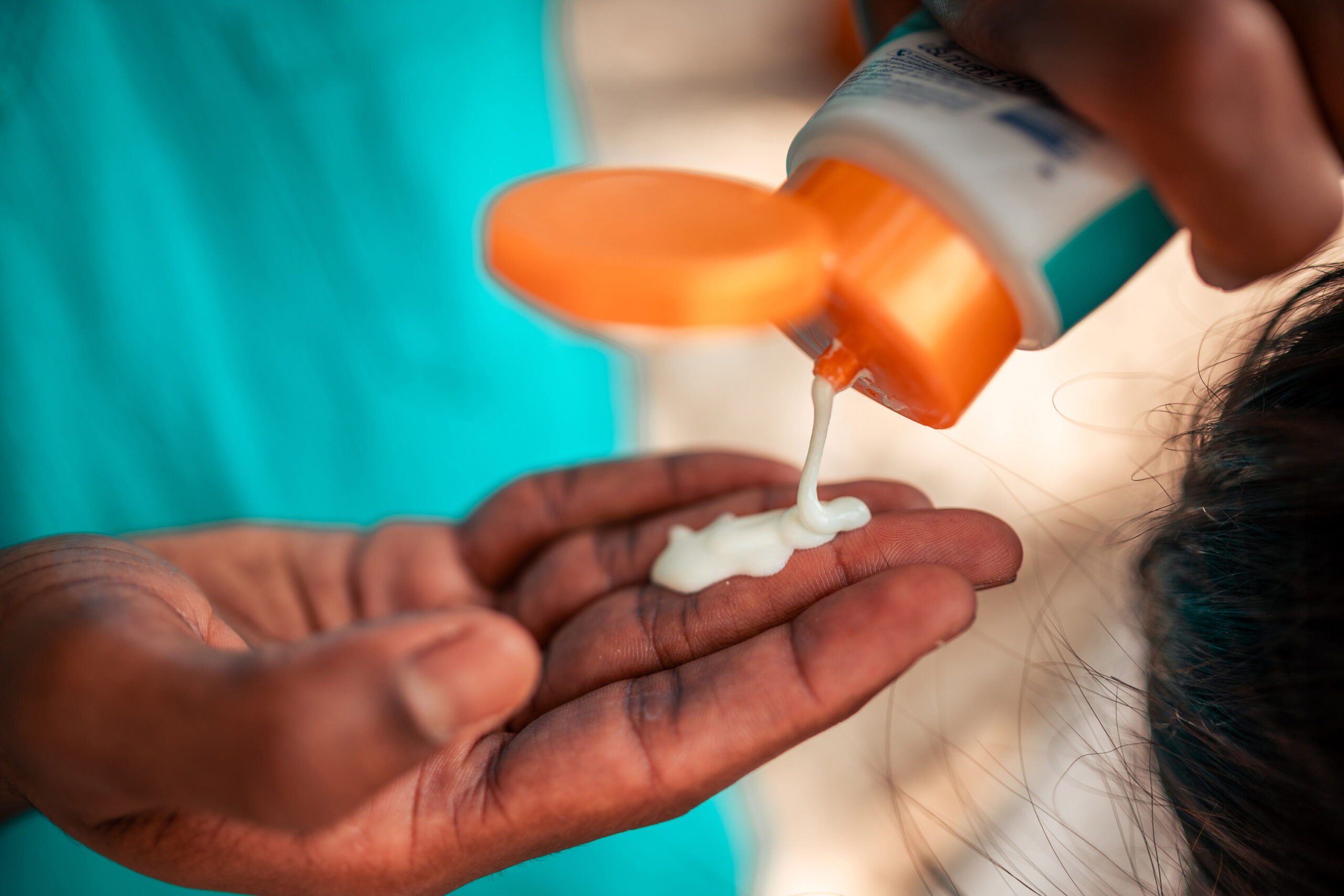
​Officials, environmental health advocates, and skin care industry groups are expressing hope that the Food and Drug Administration’s approval of a sunscreen ingredient on June 9 — after consideration for two decades, and global use for nearly as long — will help restore Americans’ wavering faith in sunscreen.

“Bemotrizinol has been used safely in Europe for decades,” Health and Human Services Secretary Robert F. Kennedy Jr. said in the announcement about the approval. “FDA’s action will increase competition and consumer confidence in sunscreen products.”

Nonprofits that advocate for health, such as the Environmental Working Group, and the skin care industry alike had lobbied for approval of the ingredient, which makes sunscreens sheerer and lighter on the skin than many available American options while blocking a wider spectrum of ultraviolet rays that can cause premature aging and skin cancer.

The newly approved sunscreen filter will allow companies to reformulate sunscreens to address consumers’ concerns, said Carl D’Ruiz, a senior manager at DSM-Firmenich, a Swiss maker of sunscreen chemicals that applied for the FDA approval. In addition to allowing companies to offer what the FDA calls safe and effective formulations, he said, the approval will allow sunscreens that are more like sought-after South Korean brands to be sold in the U.S. by autumn.

Confidence in U.S. sunscreen has faltered on two fronts: among those concerned about what’s in the sunscreens they use and those who believe sun exposure is healthy. But will the new ingredient win the trust of Make America Healthy Again skeptics and Gen Zers intentionally tanning? RFK Jr., strikingly bronzed, has helped stoke this confusion by pledging in 2024 to fight what he called the FDA’s “war on public health” and “aggressive suppression” of sunshine. Under his leadership, the FDA backed away from a plan in March to ban people under 18 from using tanning beds.

All this matters because 1 in 5 people will develop skin cancer by age 70 in the United States. It is the most common cancer in the nation, where about 3.3 million people are diagnosed each year with basal and squamous cell carcinomas.

D’Ruiz said he thinks bemotrizinol, also known as BEMT, will change the dynamic. “People will talk more positively about sunscreens,” he said.

In the U.S., new sunscreen chemicals are regulated as over-the-counter drugs like aspirin or cough syrup rather than as cosmetics, as in Japan and the European Union. That means they face more elaborate testing and safety protocols, such as animal testing that runs afoul of EU laws, which is why the approval process for bemotrizinol took nearly two decades, D’Ruiz said.

What’s “generally recognized as safe and effective,” otherwise known as “GRASE” in FDA-speak, is at the center of the American sunscreen debate. Bemotrizinol joins zinc oxide and titanium dioxide on the FDA’s GRASE list.


Continue Reading

HealthNews

Anguished Parents. Doctors in Tears. Utah’s Long Measles Outbreak Takes a Toll.
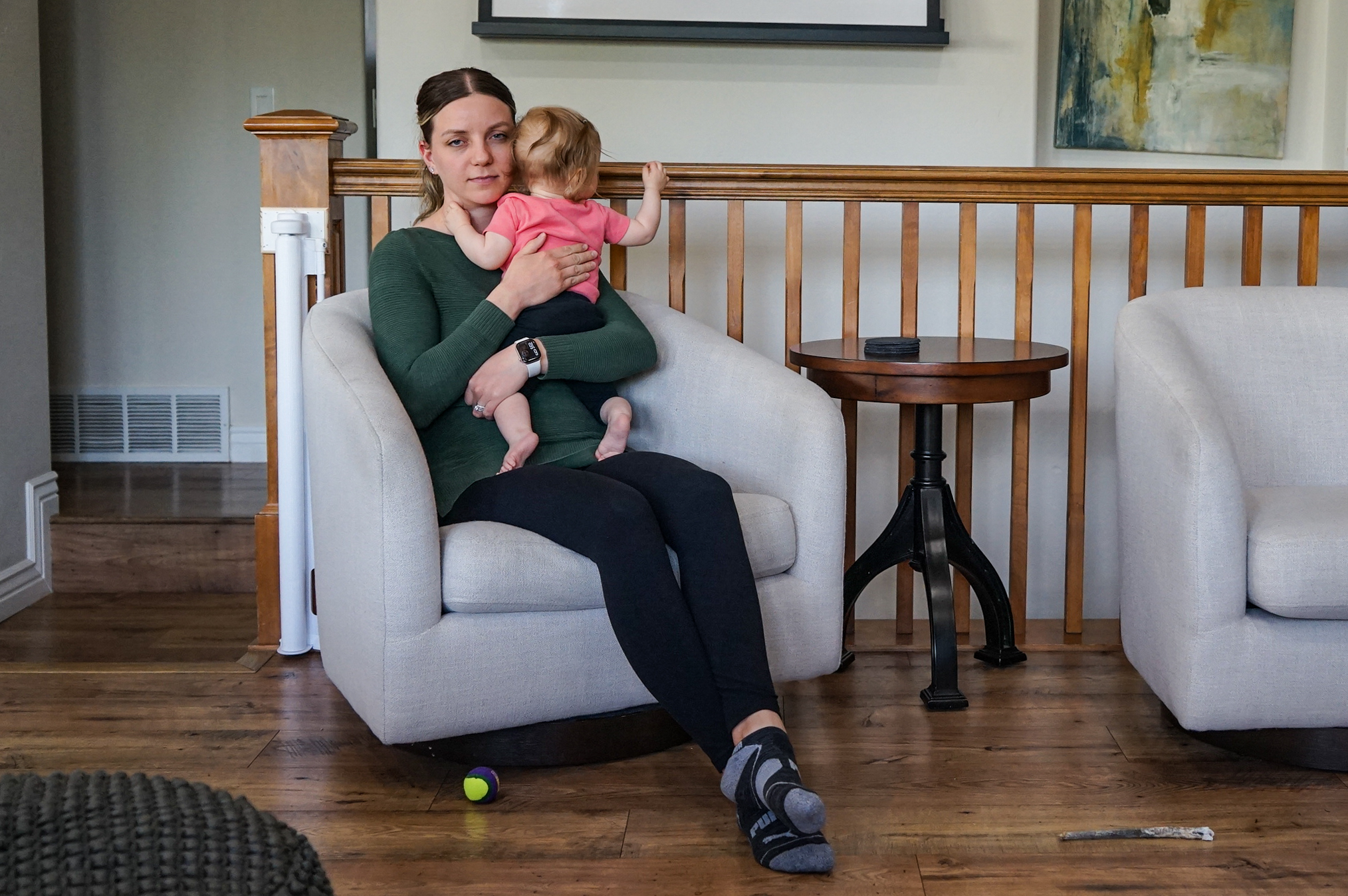
​SALT LAKE CITY — Ben Dowse hadn’t expected to treat measles when he became a doctor, but there he was, examining a newborn exposed to the virus in the womb. The infected mother had given birth just hours earlier. The hospital had alerted Dowse to the case before delivery, and he’d braced himself for the worst.

Dowse wore a full-body protective suit with a plastic face mask. As a pediatrician in southern Utah, he couldn’t risk getting even a mild infection, because many of his patients are babies too young for measles vaccines or children whose parents choose not to protect them with immunizations. “I went in looking like a scientist in E.T.,” he said.

Measles can cause brain damage, deafness, or death in newborns. If the baby entered the world with a measles rash and fever, Dowse was prepared to give the infant a spinal tap to assess the risk of neurological damage.

Luckily, flushed and crying, the baby looked healthy. To keep it that way, Dowse wanted to inject the baby with concentrated antibodies against the measles virus. To his surprise, the parents objected, promising to give their child “all kinds of vitamin A,” Dowse said. He begged them not to, saying, “You can’t see it on the surface, but the baby’s body is fighting the measles.” They were afraid of vaccines, so Dowse explained that antibodies were different and that they would stop measles from replicating in the infant.

“That shot is going to basically give the baby ammo to fight,” Dowse said.

The parents relented. A couple of days later, they left the hospital with a child who had narrowly skirted an infection that killed many thousands of babies a century ago. Nonetheless, Dowse said he doubted they would be returning for childhood vaccinations to protect their baby against a bevy of illnesses. Like more than a dozen Utah doctors and health officials who spoke with KFF Health News, Dowse has adjusted his expectations.

He is part of a reluctant cohort of medical professionals now on the front line of America’s regressive next chapter in health history, one in which dangerous and preventable diseases return.

“I wish that people could see what I see,” said Nathan Money, a hospital pediatrician in Utah whose eyes welled up with tears as he described children he’s treated for measles struggling to breathe. “This train is going in the wrong direction, and it can feel like a helpless situation, because we’re just not seeing the public messaging and leadership that’s needed to turn this around.”

Since measles was deemed eliminated in the U.S. a quarter century ago, public health workers have extinguished sporadic outbreaks in close-knit, undervaccinated communities with targeted methods: Isolate people with measles and quarantine their contacts to contain the virus. But as vaccination rates drop nationwide, the virus is moving beyond insulated communities, overwhelming public health departments constrained by shoestring bud  

Continue Reading

HealthNews

Trivia Nights, Valentine’s Cards: Overlooked Social Connections Can Prevent Suicide
​If you or someone you know may be experiencing a mental health crisis, contact the 988 Suicide & Crisis Lifeline by dialing or texting “988.”

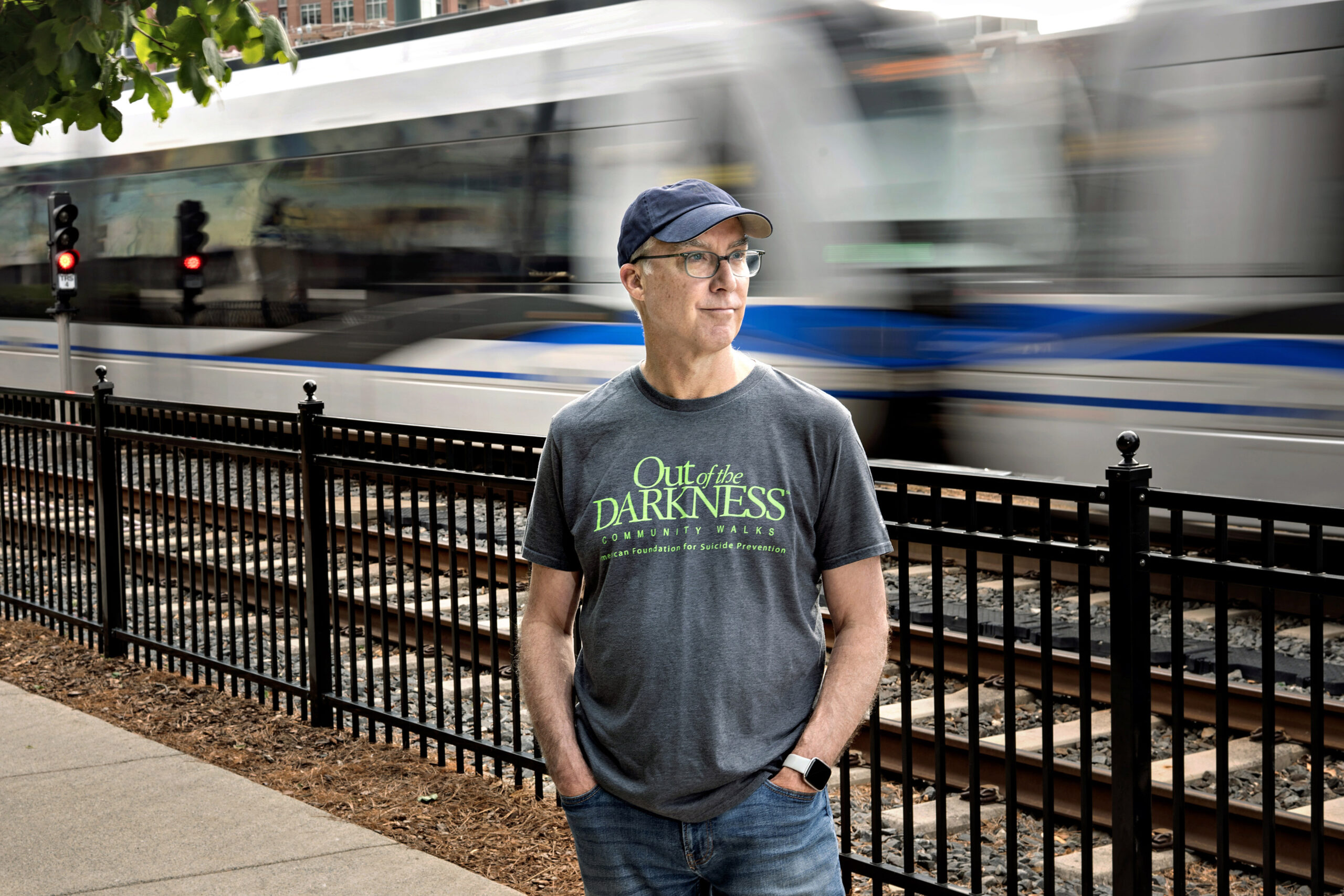
Nearly every Tuesday for a decade, Steve Siple attended a bar trivia night with friends in Birmingham, Alabama. After moving to North Carolina, he developed a new ritual — joining other Charlotte locals on Saturdays to pick up trash along the city’s light rail.

These are more than fun outings to Siple. They help keep him alive.

Siple has battled suicidal thoughts in the past. He lost his father to suicide, and one of his sons has struggled with thoughts of hurting himself.

That’s made Siple vigilant about protecting himself and his family. In addition to seeing a counselor regularly and speaking openly about mental health, he prioritizes social connection.

“Loneliness was, over my lifetime, one of the greatest risk factors” for suicide, said Siple, a former board chair for the American Foundation for Suicide Prevention.

To some, this concept may seem obvious. Yet in the overall approach to suicide prevention, it’s often overlooked. Treatment of a serious mental illness that can lead to suicide, such as major depressive disorder, often centers on medication and talk therapy with little or no consideration of factors such as social isolation or financial duress. Now, there’s a growing movement to address loneliness not just through personal choices but also through public policy.

The research is clear: Among the various complex issues that contribute to suicide, loneliness is a big one. It’s a particularly strong predictor for older adults, who have the highest rates of suicide, and for youths, for whom suicide is the second-leading cause of death.

Humans are social animals. When we feel cut off from one another, our stress levels increase, our immune systems are disrupted, and ultimately we’re likely to die earlier (by suicide or of other causes). An oft-cited study concluded that being socially disconnected is as harmful to one’s health as smoking up to 15 cigarettes a day.

And it’s getting worse.

Mental health researchers and clinicians say a variety of factors are fueling increased rates of loneliness in America, including the rapid growth of technology, such as smartphones and artificial intelligence; increased political polarization; the shift to remote work since the covid pandemic; and decreased participation in religious institutions.

With suicide rates remaining stubbornly high — often ranking among the top 10 causes of death in America — some advocates and people who have lost loved ones to suicide say increasing pathways to social connection could be a new frontier.

In this ongoing series, KFF Health News is examining new approaches to suicide prevention that shift the focus from stopping harm in moments of crisis to efforts that give people reasons to live well before they make fateful choices.

“If we want to  

Continue Reading

Latest News

Sports3 hours ago

“You can never rule him out” – Alexander Volkanovski issues bold prediction for Ilia Topuria vs. Justin Gaethje at UFC White House 

​Alexander Volkanovski recently shared his thoughts on the Ilia Topuria vs. Justin Gaethje fight and issued a bold prediction.  
Sports3 hours ago

Tony Khan’s decision concerning 10-time WWE champion has negatively affected AEW, says veteran

​Tony Khan has been facing a lot of appreciation for his recent work in AEW. The Jacksonville-based promotion has been...

Sports3 hours ago

“My great-granddad taught me” – Charlie Guest reveals his surprising strategic hobby outside of combat sports

​British featherweight Muay Thai debutant Charlie Guest of England carries a lot into his ONE Championship debut against Bampara Kouyate.  

Sports3 hours ago

Mohamed Salah’s agent issues response amid Liverpool transfer U-turn murmurs

​Star forward Mohamed Salah’s agent has issued a response amid rumours that he is considering extending his stay at Liverpool.  

Sports3 hours ago

5 Feuds WWE Must Book Blake Monroe In

​Blake Monroe has quickly become one of the most intriguing new additions to WWE. Since her call-up to SmackDown, the...

Sports3 hours ago

Record-breaking WWE champion to make AEW debut at Forbidden Door and cost Mercedes Mone? Exploring the possibility

​Mercedes Mone has been on a roll in All Elite Wrestling as of late. She is currently competing in the...

Sports3 hours ago

Kenny Wallace reacts to his brother Rusty Wallace being named Grand Marshal for the North Wilkesboro Speedway

​Kenny Wallace was thrilled that his older brother, Rusty Wallace, was chosen to serve as Grand Marshal for the upcoming...

Sports3 hours ago

AEW News & Rumor Roundup: Legal action against controversial star, New tag team formed, Chris Jericho responds to backlash

​Welcome along to the latest rendition of Sportskeeda Wrestling’s AEW News & Rumor Roundup.  

Sports3 hours ago

Current WWE champion calls AJ Styles “Dad”

​WWE Hall of Famer AJ Styles is widely considered one of the best in-ring performers of all time.  

Sports3 hours ago

Paul Heyman Shares First Comments Since Being Attacked By Bron Breakker on WWE RAW

​Paul Heyman was attacked by his own Vision teammate on WWE RAW almost two weeks ago, and the most recent...

Trending News

Join Our Newsletter

Stay updated with breaking news and exclusive content.