Connect with us

HealthNews

Trump Bought Tobacco Stocks and Raked In Industry Donations as FDA Eased Standards

​President Donald Trump, who once declared he had “saved” flavored vapes, grew his stock holdings this year to as much as $1.64 million in tobacco giant Philip Morris.

He also had holdings in Altria and a third leading tobacco company, though an apparent discrepancy in his disclosures clouds the extent of his investments. In 2025, tobacco interests donated $6 million to MAGA Inc., a super PAC that supports the president, and Trump’s inauguration. And, on April 30, a week before FDA guidance that provided a critical boost to the industry, Reynolds American dropped an additional $5 million into the super PAC’s coffers.

The stock trades and political contributions occurred as the Trump administration pursued a broadly pro-tobacco agenda: Its FDA piloted a fast-track program to approve nicotine pouches. It unveiled a program to allow vapes on the market more rapidly, despite resistance from career civil servants and leadership, culminating this year in guidance waving through flavored electronic cigarettes. It cut public health employees focusing on anti-tobacco policy. And it broadened enforcement against illicit e-cigarettes, competitors to the big industry players with a financial relationship to Trump.

It amounts to the most pro-tobacco, pro-nicotine presidency in some time — a remarkable policy given the tens of millions of deaths cigarettes caused during the 20th century. Even in recent years, anti-smoking groups say a half-million Americans a year die from cigarettes. Industry advocates say the toll helps justify a shift to e-cigarettes and nicotine pouches, which they say are less harmful. However, public health advocates say these products carry their own risks, such as addiction.

Lawmakers and public health leaders have criticized the recent FDA guidance and approvals as a “lucrative payday” that ignored scientific evidence to deliver what investment analysts have described as “very positive” steps for influential tobacco companies.

The scale of the money is “unprecedented and problematic,” said Brian King, who was pushed out of the FDA’s tobacco office last April and now works as an executive at the Campaign for Tobacco-Free Kids. He fears that steering public policy toward tobacco — still addictive and harmful to health — puts Americans at risk.

“It’s a gift on a platter with a side of public health malpractice,” he said.

The White House did not comment on the president’s investments or industry donations to MAGA Inc. Spokesperson Kush Desai said, “The only guiding factor behind the Trump administration’s health policymaking is Gold Standard Science. FDA’s regulatory treatment of nicotine pouches and vapes is rooted in recent evidence that has found that these products can help adults quit smoking.”

Philip Morris disputed any connection. Company representatives “regularly attend events and forums where we share our commitment to improving public health in the United Stat  

Continue Reading
Click to comment

Leave a Reply

Your email address will not be published. Required fields are marked *

HealthNews

FDA’s Greenlight of Old Chemical Offers Chance To Restore Faith in Sunscreen
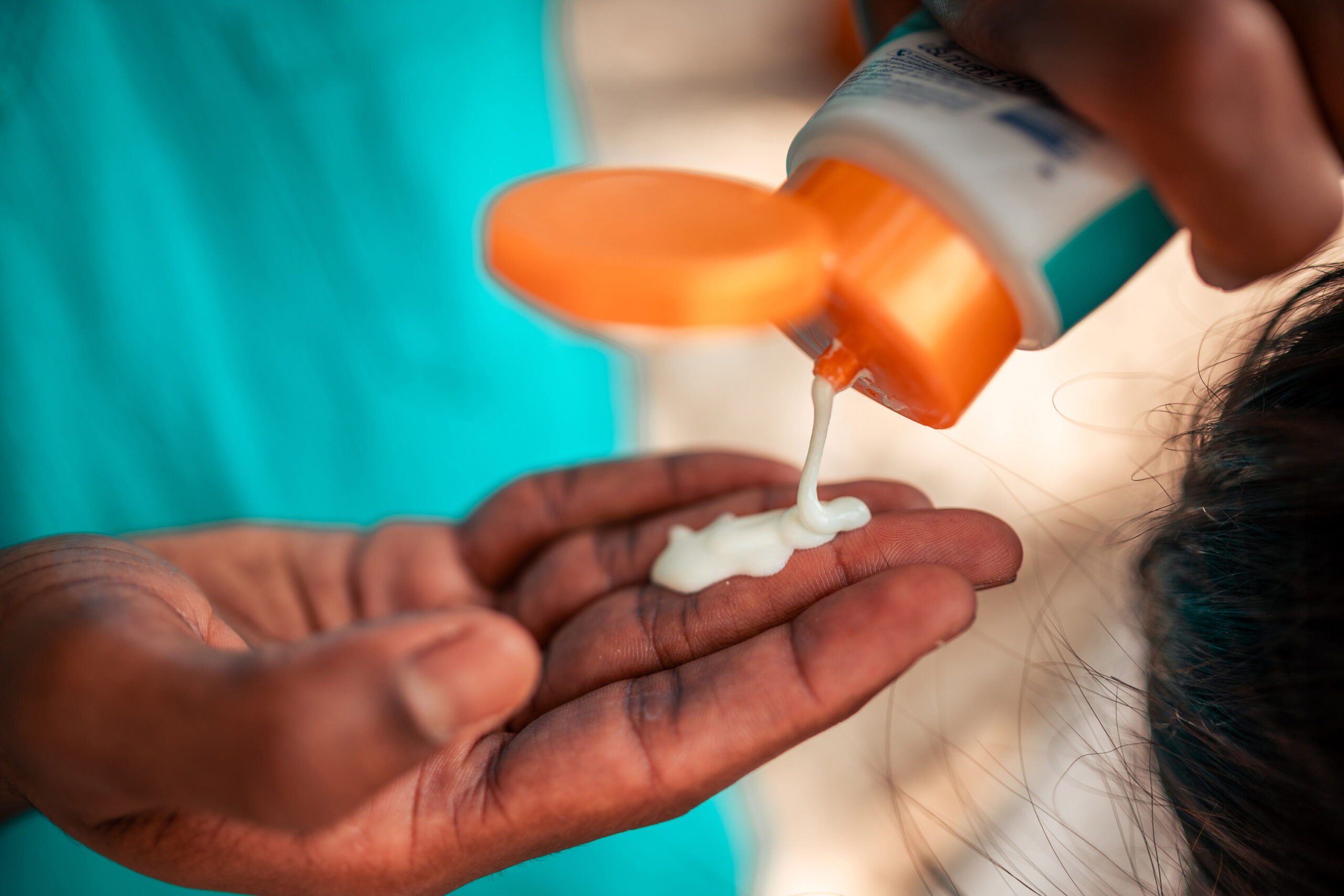
​Officials, environmental health advocates, and skin care industry groups are expressing hope that the Food and Drug Administration’s approval of a sunscreen ingredient on June 9 — after consideration for two decades, and global use for nearly as long — will help restore Americans’ wavering faith in sunscreen.

“Bemotrizinol has been used safely in Europe for decades,” Health and Human Services Secretary Robert F. Kennedy Jr. said in the announcement about the approval. “FDA’s action will increase competition and consumer confidence in sunscreen products.”

Nonprofits that advocate for health, such as the Environmental Working Group, and the skin care industry alike had lobbied for approval of the ingredient, which makes sunscreens sheerer and lighter on the skin than many available American options while blocking a wider spectrum of ultraviolet rays that can cause premature aging and skin cancer.

The newly approved sunscreen filter will allow companies to reformulate sunscreens to address consumers’ concerns, said Carl D’Ruiz, a senior manager at DSM-Firmenich, a Swiss maker of sunscreen chemicals that applied for the FDA approval. In addition to allowing companies to offer what the FDA calls safe and effective formulations, he said, the approval will allow sunscreens that are more like sought-after South Korean brands to be sold in the U.S. by autumn.

Confidence in U.S. sunscreen has faltered on two fronts: among those concerned about what’s in the sunscreens they use and those who believe sun exposure is healthy. But will the new ingredient win the trust of Make America Healthy Again skeptics and Gen Zers intentionally tanning? RFK Jr., strikingly bronzed, has helped stoke this confusion by pledging in 2024 to fight what he called the FDA’s “war on public health” and “aggressive suppression” of sunshine. Under his leadership, the FDA backed away from a plan in March to ban people under 18 from using tanning beds.

All this matters because 1 in 5 people will develop skin cancer by age 70 in the United States. It is the most common cancer in the nation, where about 3.3 million people are diagnosed each year with basal and squamous cell carcinomas.

D’Ruiz said he thinks bemotrizinol, also known as BEMT, will change the dynamic. “People will talk more positively about sunscreens,” he said.

In the U.S., new sunscreen chemicals are regulated as over-the-counter drugs like aspirin or cough syrup rather than as cosmetics, as in Japan and the European Union. That means they face more elaborate testing and safety protocols, such as animal testing that runs afoul of EU laws, which is why the approval process for bemotrizinol took nearly two decades, D’Ruiz said.

What’s “generally recognized as safe and effective,” otherwise known as “GRASE” in FDA-speak, is at the center of the American sunscreen debate. Bemotrizinol joins zinc oxide and titanium dioxide on the FDA’s GRASE list.


Continue Reading

HealthNews

Anguished Parents. Doctors in Tears. Utah’s Long Measles Outbreak Takes a Toll.
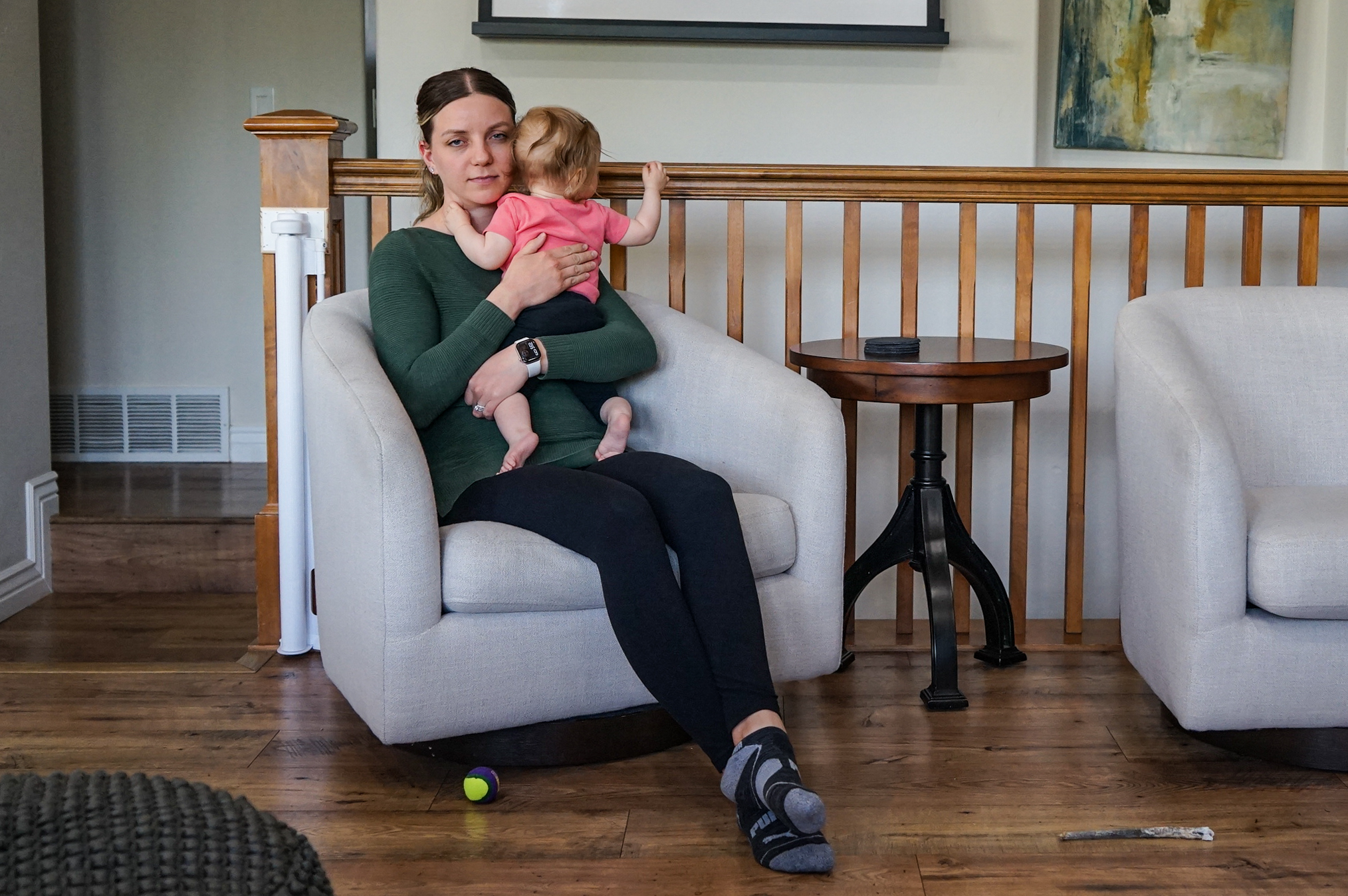
​SALT LAKE CITY — Ben Dowse hadn’t expected to treat measles when he became a doctor, but there he was, examining a newborn exposed to the virus in the womb. The infected mother had given birth just hours earlier. The hospital had alerted Dowse to the case before delivery, and he’d braced himself for the worst.

Dowse wore a full-body protective suit with a plastic face mask. As a pediatrician in southern Utah, he couldn’t risk getting even a mild infection, because many of his patients are babies too young for measles vaccines or children whose parents choose not to protect them with immunizations. “I went in looking like a scientist in E.T.,” he said.

Measles can cause brain damage, deafness, or death in newborns. If the baby entered the world with a measles rash and fever, Dowse was prepared to give the infant a spinal tap to assess the risk of neurological damage.

Luckily, flushed and crying, the baby looked healthy. To keep it that way, Dowse wanted to inject the baby with concentrated antibodies against the measles virus. To his surprise, the parents objected, promising to give their child “all kinds of vitamin A,” Dowse said. He begged them not to, saying, “You can’t see it on the surface, but the baby’s body is fighting the measles.” They were afraid of vaccines, so Dowse explained that antibodies were different and that they would stop measles from replicating in the infant.

“That shot is going to basically give the baby ammo to fight,” Dowse said.

The parents relented. A couple of days later, they left the hospital with a child who had narrowly skirted an infection that killed many thousands of babies a century ago. Nonetheless, Dowse said he doubted they would be returning for childhood vaccinations to protect their baby against a bevy of illnesses. Like more than a dozen Utah doctors and health officials who spoke with KFF Health News, Dowse has adjusted his expectations.

He is part of a reluctant cohort of medical professionals now on the front line of America’s regressive next chapter in health history, one in which dangerous and preventable diseases return.

“I wish that people could see what I see,” said Nathan Money, a hospital pediatrician in Utah whose eyes welled up with tears as he described children he’s treated for measles struggling to breathe. “This train is going in the wrong direction, and it can feel like a helpless situation, because we’re just not seeing the public messaging and leadership that’s needed to turn this around.”

Since measles was deemed eliminated in the U.S. a quarter century ago, public health workers have extinguished sporadic outbreaks in close-knit, undervaccinated communities with targeted methods: Isolate people with measles and quarantine their contacts to contain the virus. But as vaccination rates drop nationwide, the virus is moving beyond insulated communities, overwhelming public health departments constrained by shoestring bud  

Continue Reading

HealthNews

Trivia Nights, Valentine’s Cards: Overlooked Social Connections Can Prevent Suicide
​If you or someone you know may be experiencing a mental health crisis, contact the 988 Suicide & Crisis Lifeline by dialing or texting “988.”

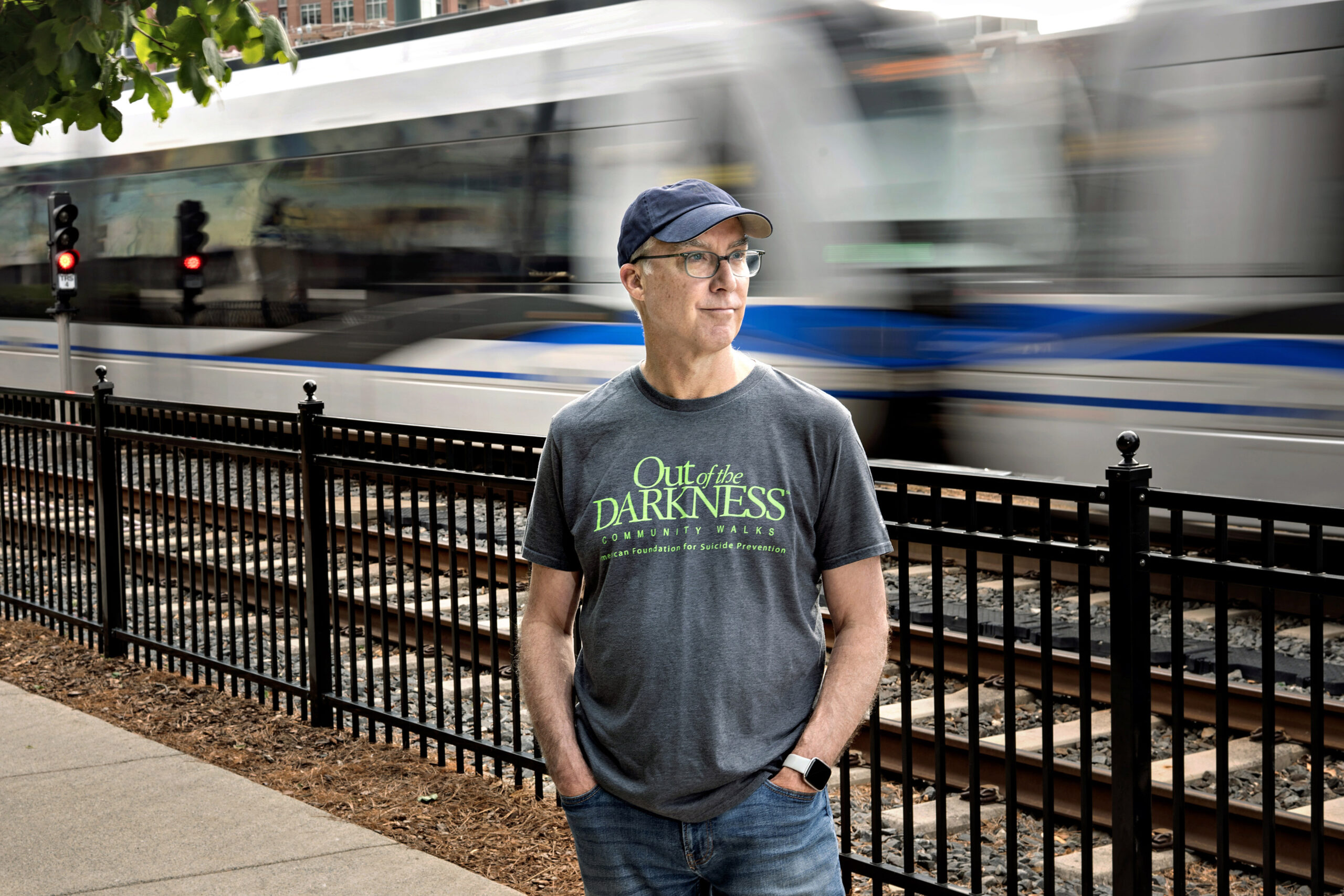
Nearly every Tuesday for a decade, Steve Siple attended a bar trivia night with friends in Birmingham, Alabama. After moving to North Carolina, he developed a new ritual — joining other Charlotte locals on Saturdays to pick up trash along the city’s light rail.

These are more than fun outings to Siple. They help keep him alive.

Siple has battled suicidal thoughts in the past. He lost his father to suicide, and one of his sons has struggled with thoughts of hurting himself.

That’s made Siple vigilant about protecting himself and his family. In addition to seeing a counselor regularly and speaking openly about mental health, he prioritizes social connection.

“Loneliness was, over my lifetime, one of the greatest risk factors” for suicide, said Siple, a former board chair for the American Foundation for Suicide Prevention.

To some, this concept may seem obvious. Yet in the overall approach to suicide prevention, it’s often overlooked. Treatment of a serious mental illness that can lead to suicide, such as major depressive disorder, often centers on medication and talk therapy with little or no consideration of factors such as social isolation or financial duress. Now, there’s a growing movement to address loneliness not just through personal choices but also through public policy.

The research is clear: Among the various complex issues that contribute to suicide, loneliness is a big one. It’s a particularly strong predictor for older adults, who have the highest rates of suicide, and for youths, for whom suicide is the second-leading cause of death.

Humans are social animals. When we feel cut off from one another, our stress levels increase, our immune systems are disrupted, and ultimately we’re likely to die earlier (by suicide or of other causes). An oft-cited study concluded that being socially disconnected is as harmful to one’s health as smoking up to 15 cigarettes a day.

And it’s getting worse.

Mental health researchers and clinicians say a variety of factors are fueling increased rates of loneliness in America, including the rapid growth of technology, such as smartphones and artificial intelligence; increased political polarization; the shift to remote work since the covid pandemic; and decreased participation in religious institutions.

With suicide rates remaining stubbornly high — often ranking among the top 10 causes of death in America — some advocates and people who have lost loved ones to suicide say increasing pathways to social connection could be a new frontier.

In this ongoing series, KFF Health News is examining new approaches to suicide prevention that shift the focus from stopping harm in moments of crisis to efforts that give people reasons to live well before they make fateful choices.

“If we want to  

Continue Reading

HealthNews

Gounder Fills In Details Behind Ebola, GLP-1, and Trump Headlines

​Céline Gounder, KFF Health News’ editor-at-large for public health, discussed a recent study that suggests ultraprocessed foods are linked to increased dementia risk on CBS News 24/7’s The Daily Report on June 3. Gounder also discussed the Ebola outbreak in central Africa and the impact of U.S. health funding cuts on CBS News’ CBS Mornings on June 3.

On June 2, Gounder joined CBS News’ CBS Mornings to discuss a study that found women taking GLP-1 drugs had a lower rate of breast cancer diagnoses. She also discussed President Donald Trump’s new medical report and creatine supplements on CBS News 24/7’s Mornings and CBS News’ CBS Mornings, respectively, on June 1.

Click here to watch Gounder discuss ultraprocessed foods and dementia on The Daily Report.

Click here to watch Gounder discuss the Ebola outbreak on CBS Mornings.

Click here to watch Gounder discuss GLP-1s and breast cancer on CBS Mornings.

Click here to watch Gounder discuss Trump’s new medical report on Mornings.

Click here to watch Gounder discuss creatine supplements on CBS Mornings.

KFF Health News is a national newsroom that produces in-depth journalism about health issues and is one of the core operating programs at KFF—an independent source of health policy research, polling, and journalism. Learn more about KFF.This <a target=”_blank” href=”https://kffhealthnews.org/on-air/on-air-june-6-2026-ebola-glp1s-trump-medical-exam-creatine-upf-food-dementia/”>article</a&gt; first appeared on <a target=”_blank” href=”https://kffhealthnews.org”>KFF Health News</a> and is republished here under a <a target=”_blank” href=”https://creativecommons.org/licenses/by-nc-nd/4.0/”>Creative Commons Attribution-NonCommercial-NoDerivatives 4.0 International License</a>.<img src=”https://kffhealthnews.org/wp-content/uploads/sites/8/2023/04/kffhealthnews-icon.png?w=150&quot; style=”width:1em;height:1em;margin-left:10px;”>
<img id=”republication-tracker-tool-source” src=”https://kffhealthnews.org/?republication-pixel=true&post=2246863&amp;ga4=G-J74WWTKFM0&quot; style=”width:1px;height:1px;”>  

Continue Reading

HealthNews

‘We Live With Fear’: In Congo, Doctors Face Ebola With Little Protection
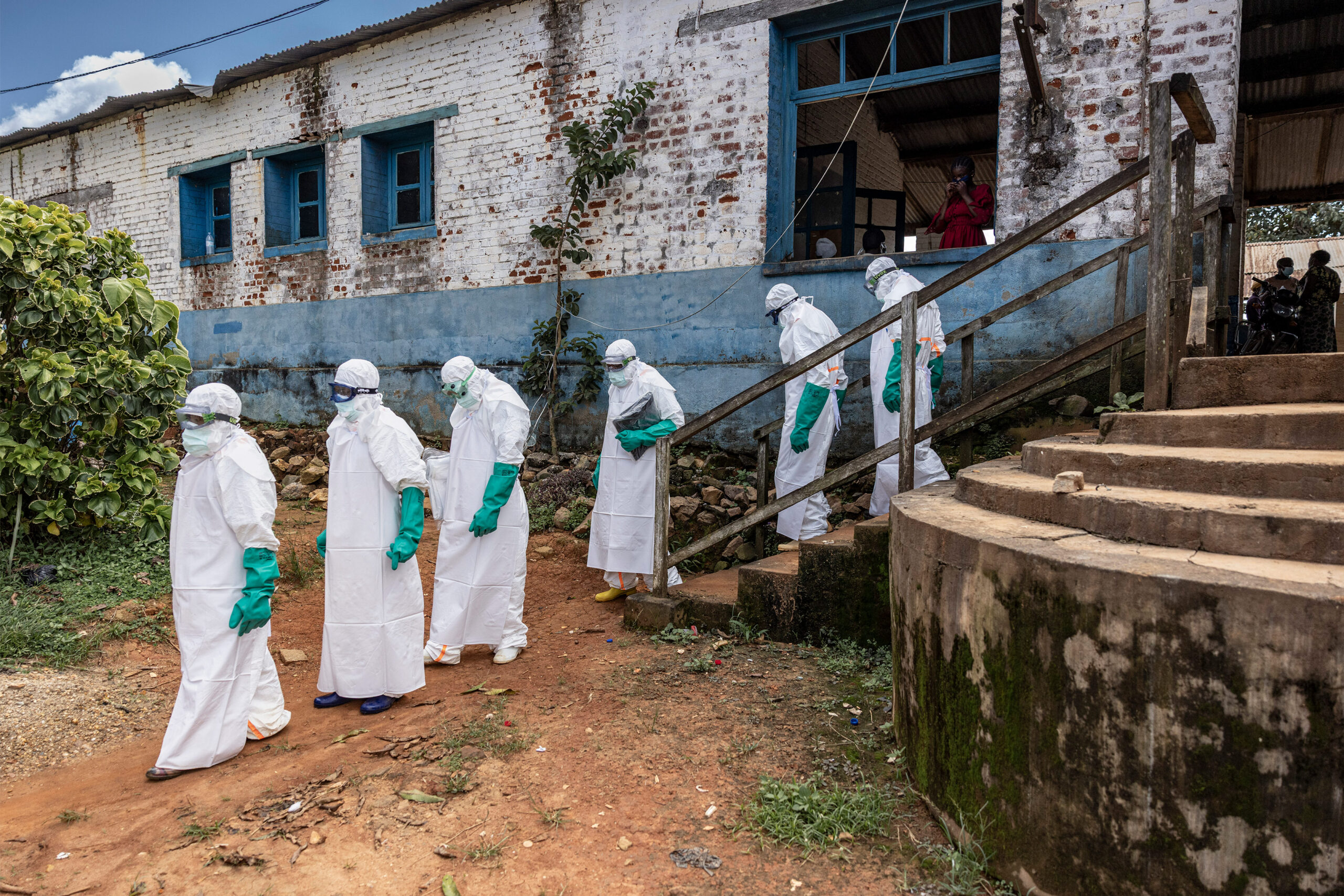
​Harrowing scenes are unfolding at health facilities at the epicenter of an Ebola outbreak in the Democratic Republic of Congo.

A 25-year-old midwife and a doctor in his early 30s are sick with Ebola symptoms, including fevers and severe joint pain, said their colleague Elisabeth Furaha, the medical director at SOFEPADI’s Karibuni Wa Mama Medical Center in the northeastern province of Ituri.

They had cared for patients with similar symptoms in early May, before the outbreak was detected. One of the patients is now dead, Furaha said, and none of them has been tested for Ebola, even though samples were taken. The hospital still lacks access to tests, and an adequate supply of protective gowns and plastic masks to keep doctors and nurses safe.

“We live with fear in our stomachs,” Furaha said, speaking in French. “Every day, there are healthcare providers and patients dying.”

The outbreak took the world by surprise, with nearly 250 suspected Ebola cases and 80 deaths by the time Ebola was confirmed in Congo. Disturbed by the extent of silent transmission, and by cases in neighboring Uganda, the head of the World Health Organization sounded the group’s highest alarm on May 17, declaring the outbreak a “public health emergency of international concern.” That triggered donations from around the globe, including a pledge of more than $162 million from the U.S. State Department to “stop the outbreak at its source and ensure Ebola does not reach the United States.”

But despite international attention, doctors in northeastern Congo say that many clinics lack even rudimentary supplies: gloves, protective gowns, masks, Ebola tests, and even clean water. Without rapid action to bolster those on the front line, researchers say, the outbreak will grow exponentially, costing even more money and risking lives far beyond Congo.

“All signs point to this becoming the biggest outbreak we’ve ever seen in the DRC,” said Nahid Bhadelia, the director of Boston University’s Center on Emerging Infectious Diseases. “That could lead to regional instability, and that has repercussions for the world.”

Some supplies from the country’s Ministry of Health, the WHO, and other United Nations agencies have landed in northeastern Congo, but not nearly enough to stock hundreds of health facilities where Ebola patients may seek care. Furaha has spent her own money on gloves, masks, and a tarp to build a makeshift tent to isolate patients with Ebola symptoms from the rest of the hospital. But she said it’s “inhumane” to put patients there before she can afford a mattress for them to rest on, or reliable access to tests.

Without testing, patients who turn out to have Ebola can infect those who don’t. Malaria and other diseases have initial symptoms similar to Ebola, causing fevers, soreness, and gastrointestinal problems.

Aid workers say shipments of medical supplies have been delayed by logistical hurdles, such as suspen  

Continue Reading

Latest News

Fashion58 minutes ago

5 Vogue-approved hacks to style your outfits with better proportion

​Great style is often just good geometry  

Politics2 hours ago

Stone pelted at train with RSS chief Mohan Bhagwat on board, window glass of coach broken

 RSS chief Mohan Bhagwat was travelling in the same coach but was seated on the opposite side and remained unharmed. 

Sports2 hours ago

“We must break that” – Mexico boss Javier Aguirre wants his side to break unwanted record in 2026 FIFA World Cup opener against South Africa

​Mexico boss Javier Aguirre wants his side to break an unwanted record in their opening game of the 2026 FIFA...

Sports2 hours ago

“No, please no,” “Tony don’t do it” – Fans go wild after released WWE star talks about possibly joining AEW

​Fans have reacted to the idea of a released WWE star joining AEW after the star detailed the possibility of...

Sports2 hours ago

Haiti vs Scotland Prediction and Betting Tips | June 13th 2026

​After decades on the sidelines, Scotland and Haiti make their long-awaited return to the World Cup with a high-stakes clash...

Sports2 hours ago

3 things Tony Khan got right on AEW Dynamite and 2 mistakes he made (10 June, 2026)

​This week’s AEW Dynamite witnessed a massive development ahead of the Forbidden Door pay-per-view.  

Sports2 hours ago

“We got called off the show” – Brie Bella explains her and Paige’s absence from WWE event

​Brie Bella and Paige recently missed a WWE show in Paris, which left fans disappointed. The reigning Women’s Tag Team...

Sports2 hours ago

SPOTTED: Taylor Swift snapped in all-blue alongside Hailey Bieber, Tate Mcrae after Knicks’ 107-106 win vs. Spurs

​Kansas City Chiefs tight end Travis Kelce’s fiancee Taylor Swift grabbed headlines on Wednesday after she appeared courtside at Madison...

Sports2 hours ago

2026 FIFA World Cup: Multiple RCB cricketers pick their favourites to win the summer tournament 

​Players of Royal Challengers Bangalore, an Indian Premier League cricket franchise, picked their favourite team to win the 2026 FIFA...
Sports2 hours ago

Denny Hamlin sends clear message on regular season title chase: “I’d rather under-promise and over-deliver”

​Denny Hamlin is not getting carried away by his recent success and has chosen not to overpromise his results.  

Trending News

Join Our Newsletter

Stay updated with breaking news and exclusive content.