
Connect with us

HealthNews

Doctores alertan sobre una complicación mortal asociada a los brotes de sarampión

​La primera señal apareció cuando Deepanwita Dasgupta tenía 5 años y empezó a tropezar más a menudo mientras jugaba en su casa en Bangalore, en el sur de India. La niña siempre estaba haciendo algo; por eso sus padres pensaron que los golpes y moretones extra eran simplemente parte de una infancia activa.

Quizás, pensaron, se trataba de unos zapatos que no le quedaban bien.

Los familiares describían a la niña amante de los unicornios como inteligente, cariñosa y a veces un poco traviesa. Antes de aprender el alfabeto, ya había descubierto cómo encontrar su programa favorito, Blippi, en un teléfono. También era conocida por sacar mantequilla del refrigerador a escondidas para disfrutarla lamiéndose los dedos.

Pero luego sus extremidades empezaron a sacudirse. Una punción lumbar reveló sarampión en su líquido cefalorraquídeo. El virus que probablemente tuvo cuando era bebé había llegado en secreto a su cerebro. Ahora, con 8 años, Deepanwita está paralizada y no puede hablar.

El sarampión causa complicaciones —que van desde diarrea hasta la muerte— en 3 de cada 10 personas infectadas, según la Sociedad de Enfermedades Infecciosas de América (IDSA, por sus siglas en inglés). Algunas aparecen de inmediato, mientras que otras tardan semanas o meses en manifestarse. La que está experimentando Deepanwita es la encefalitis esclerosante subaguda (PEES); por lo general, tarda años en aparecer.

“Muchas personas piensan: ‘Si nos da sarampión, estaremos bien, porque conozco a un vecino que lo tuvo y está bien’”, dijo Yasmin Khakoo, quien dirige la Sociedad de Neurología Infantil (Child Neurology Society) a nivel nacional, pero habló con KFF Health News en su papel como doctora en Nueva York con experiencia en enfermedades neurológicas.

Porque el sarampión puede ser peligroso. Un niño de 7 años en Carolina del Sur tendrá que volver a aprender a caminar después de sufrir una de las complicaciones más inmediatas: inflamación del cerebro.

Y, a veces, el virus deja una bomba de tiempo en el sistema nervioso.

Una persona puede recuperarse del sarampión y continuar con su vida normal, ya no contagiar y no presentar síntomas identificables —a veces durante una década o más— antes de que aparezcan problemas. Aunque algunos pacientes quedan gravemente discapacitados por un tiempo, Khakoo dijo que la enfermedad casi siempre es mortal.

Antes de la aparición de vacunas eficaces y de uso masivo, esta complicación ocurría con suficiente frecuencia en Estados Unidos como para que, en la década de 1960, un doctor creara un registro nacional de pacientes con PEES.

Los investigadores ahora estiman que aproximadamente 1 de cada 10.000 personas que contraen sarampión desarrollará PEES, pero el riesgo es mucho mayor para quienes se infectan antes de los 5 años. En países muy poblados donde el virus es endémico, como India, los casos se ven con regularidad.

Ahora  

Continue Reading
Click to comment

Leave a Reply

Your email address will not be published. Required fields are marked *

HealthNews

Birth Control Skepticism, Teen Fertility Education Center Stage at Trump’s Women’s Health Summit

​WASHINGTON — Surrounded by hot pink lights and cherry blossom pink drapes on a ballroom stage, family doctor Marguerite Duane offered a seemingly simple solution to infertility: Doctors should have conversations with young girls about whether they want to have children one day.

“I have these conversations with children starting at 8, 10, 12 years old: What do you want to be when you grow up?” Duane said. If you’re a child who wants to be a doctor, for instance, “there are things you need to put in place. If you hope to have children one day, there are things that you need to consider and have the conversation early.”

The proposal from Duane, a specialist in restorative reproductive medicine who is affiliated with the anti-abortion Charlotte Lozier Institute, got a warm reception from the audience gathered for the Trump administration’s inaugural National Conference on Women’s Health.

The three-day event hosted by the Department of Health and Human Services last week was designed to “explore breakthroughs in research, prevention, diagnosis, and treatment of health conditions that affect women across the lifespan.” Government officials hosted an eclectic mix of wealthy philanthropists, alternative medicine influencers, health tech executives, and medical researchers to discuss a wide range of issues, from Lyme disease to gut health.

Seeking to reach women at a moment when President Donald Trump’s support is slipping among a key voting bloc, the Make America Healthy Again movement, the administration-sponsored event elevated perspectives outside conventional standards of medical care and counter to many women’s health choices.

For example, during a 40-minute panel hosted by Alexis Joel, the wife of musician Billy Joel, several doctors raised concerns about how frequently hormonal birth control is used to treat women’s health symptoms. Duane and the two other female physicians on the panel said they were uncomfortable with the idea of using birth control pills for their own treatment, noting that their “values” or “cultural perspective” did not align with use of the medication.

Nearly a third of U.S. women ages 18 to 49 report having used birth control pills in the previous 12 months, according to a 2024 KFF survey. In addition to their use as a contraceptive, the pills are prescribed for a variety of health issues, including preventing anemia from heavy periods and treating uterine fibroids.

Joel, who has spoken publicly about her experience with endometriosis, brought her own doctor, Tamer Seckin, to discuss the common, painful condition, in which thick tissue develops outside of the uterus. Seckin said women’s concerns about menstrual pain are often dismissed by doctors, leading to missed diagnoses.

Asima Ahmad, a doctor who specializes in fertility and co-founded Carrot, a company that offers job-based fertility benefits, offered another explanation for why the disease is ove  

Continue Reading

HealthNews

What the Health? From KFF Health News: RFK Jr.’s Very Bad Week
​The Host

Julie Rovner
KFF Health News

@jrovner

@julierovner.bsky.social

Read Julie’s stories.

Julie Rovner is chief Washington correspondent and host of KFF Health News’ weekly health policy news podcast, “What the Health?” A noted expert on health policy issues, Julie is the author of the critically praised reference book “Health Care Politics and Policy A to Z,” now in its third edition.

It’s been a tough week for Health and Human Services Secretary Robert F. Kennedy Jr. In addition to Kennedy having surgery to repair a torn rotator cuff, personnel issues continue to plague the department: The nominee to become surgeon general, an ally of Kennedy’s, may lack the votes for Senate confirmation. The controversial head of the Food and Drug Administration’s vaccine center will be resigning next month. And a new survey finds Americans have less trust in HHS leaders now than they did during the pandemic.

Meanwhile, the Trump administration continues its crackdown over claims of rampant health care fraud. In addition to targeting the Medicaid programs in states led by Democratic governors, the Centers for Medicare & Medicaid Services is also taking aim at previously sacrosanct Medicare Advantage plans.

This week’s panelists are Julie Rovner of KFF Health News, Anna Edney of Bloomberg News, Joanne Kenen of the Johns Hopkins Bloomberg School of Public Health and Politico Magazine, and Shefali Luthra of The 19th.

Panelists

Anna Edney
Bloomberg News

@annaedney

@annaedney.bsky.social

Read Anna’s stories.

Joanne Kenen
Johns Hopkins University and Politico

@JoanneKenen

@joannekenen.bsky.social

Read Joanne’s bio.

Shefali Luthra
The 19th

@shefali.bsky.social

Read Shefali’s stories.

Among the takeaways from this week’s episode:

Americans feel more confident in career scientists at federal health agencies than in the agencies’ leaders, according to a new survey from the Annenberg Public Policy Center at the University of Pennsylvania. Yet the survey also sheds more light on the erosion of trust in public health officials and scientific research.

The FDA’s vaccine chief, Vinay Prasad, is leaving — again. Prasad was a critic of the agency before he joined it, and his tenure has been shaped by the same attitude, affecting career officials’ morale and the agency’s interactions with outside companies.

The Trump administration has extended its fraud crackdown campaign into Medicare Advantage plans. The privately run alternative to traditional Medicare coverage has been a GOP darling from the get-go. Yet President Donald Trump is nudging the party away fro  

Continue Reading

HealthNews

As Lung Disease Threatens Workers, Lawmakers Seek Protections for Countertop Manufacturers

​César Manuel González, 37, used to work with stone that was engineered to endure: dense, polished slabs designed to outlast the kitchens in which they were installed.

Engineered quartz countertops have surged in popularity in the home renovation market, with industry analysts estimating the global engineered stone market at around $30 billion. It’s continuing to expand as quartz surfaces replace natural stone in kitchens in the United States and worldwide.

When González was working, the dust that rose from his saw didn’t look extraordinary. It settled on his clothes, in his hair, across the shop floor. In a small countertop fabrication shop, he cut marble and granite before shifting to engineered stone after the 2008-09 recession, when demand for cheaper quartz countertops surged.

But the crystalline silica released while the engineered stone was cut and polished also settled into his lungs, scarring them beyond repair. What began as breathlessness hardened into silicosis, an irreversible disease that stiffens the lungs until even ordinary movement becomes effort.

A lung transplant was his path forward. The procedure can extend survival, but it redraws the boundaries of a life: anti-rejection drugs every day, constant monitoring, vulnerability to infection, the knowledge that breathing depends on the fragile acceptance of another person’s donated organ.

González, who was diagnosed with silicosis in 2023, is not alone in dealing with a disease that once was associated with miners at the end of long careers. It’s now prevalent among the much younger, often Hispanic men who work in this industry, physicians and public health officials say.

In the United States, cases are appearing in countertop fabrication shops from California to Texas, Florida, and the Northeast. Because silicosis is not a nationally reportable disease and surveillance varies by state, no comprehensive national count exists. But clinicians who treat occupational lung disease say the number of workers — often men in their 30s and 40s — diagnosed after cutting engineered stone has risen sharply over the past decade.

As of early March, California had identified 519 confirmed cases of engineered-stone-associated silicosis and 29 deaths since 2019. The median age at diagnosis is 46; at death, 49.

Doctors don’t debate whether working with engineered stone can scar lungs.

Manufacturers argue, though, that proper ventilation, wet cutting, and respirators can make fabrication safe. Workers, physicians, and plaintiffs’ attorneys counter that a material composed almost entirely of crystalline silica may be impossible to handle safely at scale.

“This is comparable to the tobacco industry saying cigarettes are safe,” said epidemiologist David Michaels, an assistant labor secretary under President Barack Obama who led the Occupational Safety and Health Administration.

More than 370 lawsuits have been filed by workers who say  

Continue Reading

HealthNews

Más niños llegan a salas de emergencias con dolor de muelas. Los recortes de Trump y la lucha anti flúor de RFK Jr. no ayudan
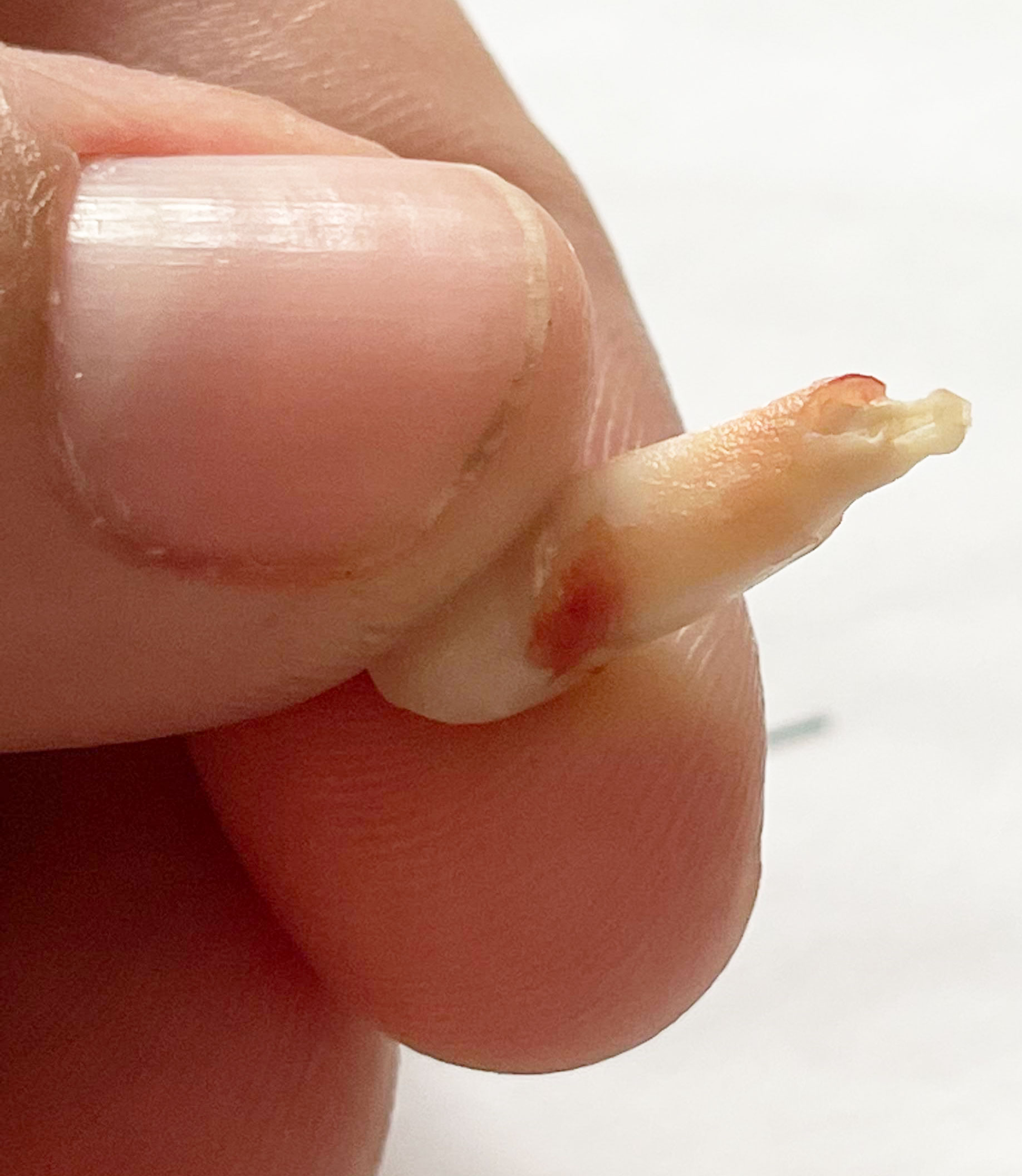
​Jonah, de 8 años, se despertó una mañana de mayo con la cara hinchada y dolor de muelas. Se negó a tomar el medicamento para el dolor que su mamá, Geneva Reynolds, trató de darle. No dormía ni comía y lloraba sin parar.

En pocos días, Reynolds estaba tan desesperada que ella y su esposo tuvieron que sujetar físicamente a Jonah para obligarlo a tomar el remedio, echándoselo en la garganta mientras él gritaba de dolor.

“Nos rompió el corazón”, contó Reynolds, que en ese momento vivía en Georgetown, Kentucky. “Y recuerdo que pensé que no debería tener que llegar a eso”.

Reynolds no pudo encontrar un dentista con una cita disponible que pudiera atender a Jonah, que es autista y a menudo se resiste a los exámenes dentales por hipersensibilidad y ansiedad. Durante cinco días, Reynolds llevó a Jonah dos veces a una sala de emergencias cercana, mientras el niño lidiaba con un dolor persistente y fiebre por lo que probablemente fuera un diente infectado con un nervio expuesto.

En la sala de emergencias no había dentistas; las dos veces la familia regresó a casa solo con analgésicos y una bolsa de hielo.

En todo el país, cada vez más niños llegan a las salas de emergencias por problemas dentales prevenibles. Dentistas, higienistas e investigadores atribuyen esa tendencia a la falta de profesionales de odontología pediátrica en zonas rurales y a un deterioro de la higiene bucal desde la pandemia de covid-19.

Decenas de miles de niños terminan en el hospital por emergencias dentales cada año, según Melissa Burroughs, directora sénior de políticas y defensa del paciente de la organización nacional sin fines de lucro CareQuest Institute for Oral Health.

Las visitas a salas de emergencias por problemas dentales no relacionados con lesiones físicas aumentaron casi un 60% a nivel nacional en niños menores de 15 años entre 2019 y 2022, según un informe publicado a finales del año pasado por CareQuest.

Los datos locales reflejan esa tendencia nacional.

En el Hospital de Niños de Colorado, en el área de Denver, los casos dentales no traumáticos —como caries o infecciones de encías— atendidos en la sala de emergencias aumentaron un 175% entre 2010 y 2025, según Sarah Bonar, vocera del hospital.

En Kentucky, donde vive Jonah, las visitas de niños a salas de emergencia por problemas dentales aumentaron un 72 % entre 2020 y 2024, según los registros del estado.

Los cambios de política ejecutados por el gobierno de Donald Trump podrían empeorar la tendencia.

La ley de reconciliación presupuestaria federal de 2025 impulsada por el presidente, conocida como One Big Beautiful Bill Act, pidió recortes de miles de millones de dólares a Medicaid, lo que podría obligar a los estados a limitar o eliminar la cobertura dental del programa de salud pública para personas con bajos ingresos o con discapacidades.

Nuevos requisitos de elegibilidad de Medicaid en a  

Continue Reading

HealthNews

More Kids Are in ERs for Tooth Pain. Trump Cuts and RFK Jr.’s Anti-Fluoride Fight Aren’t Helping.
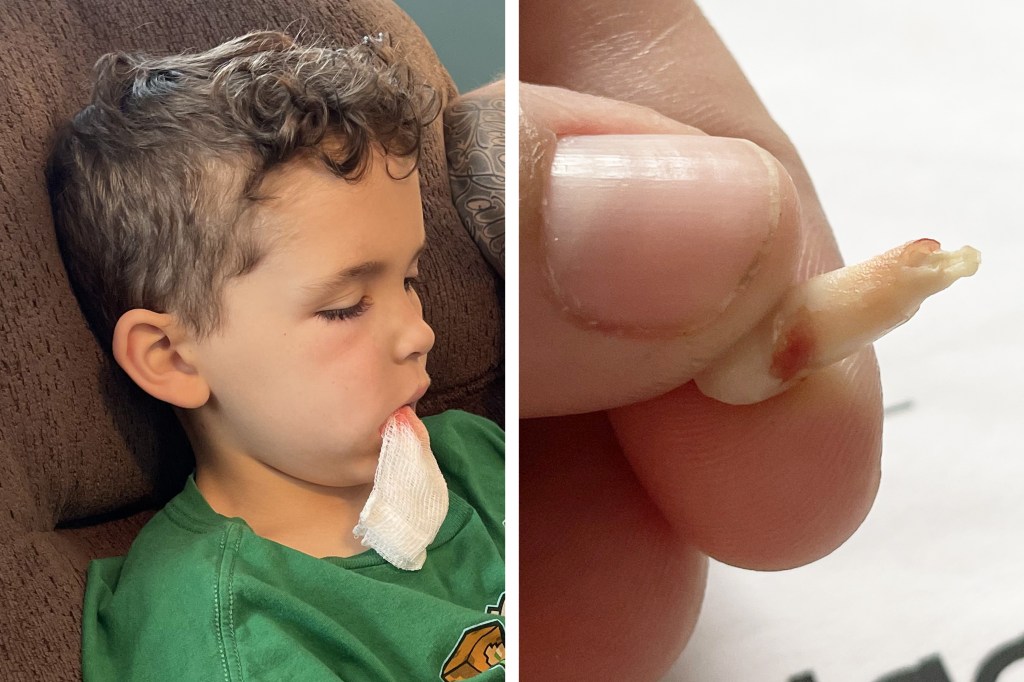
​Eight-year-old Jonah woke up one May morning with a swollen face and a toothache. He refused the pain medication that his mom, Geneva Reynolds, tried to give him. He didn’t sleep or eat and cried constantly.

Within a few days, Reynolds became so desperate that she and her husband had to physically restrain Jonah, dumping pain medication down his throat as he screamed in pain.

“It broke our hearts,” said Reynolds, who lived in Georgetown, Kentucky, at the time. “And I remember just thinking that it shouldn’t have to come to that.”

Reynolds couldn’t find a dentist with an opening who could treat Jonah, who is autistic and often resists dental exams due to hypersensitivity and anxiety. Over the course of five days, Reynolds took Jonah twice to a nearby emergency room as he struggled with persistent pain and a fever due to a likely infected tooth with an exposed nerve. The ER had no dentists; both times, the family was sent home with only pain medication and an ice pack.

Across the nation, more children are entering ERs for preventable tooth problems. Dentists, hygienists, and researchers attributed that trend to a shortage of pediatric dental care professionals in rural areas and worsening oral hygiene since the covid-19 pandemic. Tens of thousands of kids end up in the hospital for dental emergencies each year, according to Melissa Burroughs, senior director of policy and advocacy at the national health nonprofit CareQuest Institute for Oral Health.

ER visits for tooth problems unrelated to physical injuries rose almost 60% nationally for children under 15 years old from 2019 to 2022, according to a report released late last year by CareQuest. And local data reflects that national trend: At Children’s Hospital Colorado in the Denver area, nontraumatic dental cases, such as cavities or gum infections, in its ER increased 175% from 2010 to 2025, according to hospital spokesperson Sarah Bonar. In Kentucky, where Jonah lives, children’s visits to the ER for dental problems rose 72% from 2020 to 2024, according to the state.

Policy changes under the Trump administration are poised to worsen the trend. President Donald Trump’s 2025 federal budget reconciliation law, known as the One Big Beautiful Bill Act, called for billions in cuts from Medicaid, which may force states to limit or drop dental coverage from the public insurance program for those with low incomes or disabilities. New eligibility requirements for Medicaid in some states could affect kids’ access to dental care, even though children are guaranteed dental coverage under the program. Research shows that when parents lose Medicaid, even kids with coverage are more likely to have untreated cavities and less likely to go to a dentist.

The Trump administration has also promoted skepticism about fluoride. Decades of research show that fluoride in drinking water and topical fluoride treatments dramatically reduce tooth decay and prevent caviti  

Continue Reading

Latest News

Politics2 hours ago

More Indians cross over from Iran to Armenia and Azerbaijan as airspace remains shut

 The Indian embassy in Tehran has been helping Indian nationals to cross over to Armenia and Azerbaijan through land borders...

Politics2 hours ago

More Indians cross over from Iran to Armenia and Azerbaijan as airspace remains shut

 The Indian embassy in Tehran has been helping Indian nationals to cross over to Armenia and Azerbaijan through land borders...

Politics2 hours ago

More Indians cross over from Iran to Armenia and Azerbaijan as airspace remains shut

 The Indian embassy in Tehran has been helping Indian nationals to cross over to Armenia and Azerbaijan through land borders...

Politics3 hours ago

Kejriwal says AAP cleared ‘agnipariksha’, dares PM Modi to hold Assembly polls in Delhi

 This comes after a trial court discharged Kejriwal and 22 others in the excise policy case, while also pulling up...

Politics3 hours ago

Kejriwal says AAP cleared ‘agnipariksha’, dares PM Modi to hold Assembly polls in Delhi

 This comes after a trial court discharged Kejriwal and 22 others in the excise policy case, while also pulling up...

Video4 hours ago

Top US intelligence official resigns over Iran war 


Politics4 hours ago

Activists seek implementation of UGC equity rules ahead of SC hearing on March 19

 Activists seek implementation of UGC equity rules ahead of SC hearing on March 19 

Sports4 hours ago

4 WWE stars with whom Randy Orton could form Legacy 2.0

​Last week on WWE SmackDown, Randy Orton finally turned heel on Cody Rhodes during their contract signing segment. He viciously...

Sports4 hours ago

Nina Lin calls Jasontheween “b**ch made,” claims former FaZe Clan member “beefs with her”

​In a recent stream, Nina Lin casually mentioned how she would never be seen with Jasontheween inside a car. The...

Sports4 hours ago

“It’s only grown louder”: Chili’s reveals the decision behind Carson Hocevar’s iconic Dale Earnhardt tribute paint scheme

​With NASCAR returning to Darlington Raceway for this Sunday’s Cup Series event, the Goodyear 400, several teams have decided to...

Trending News

Join Our Newsletter

Stay updated with breaking news and exclusive content.