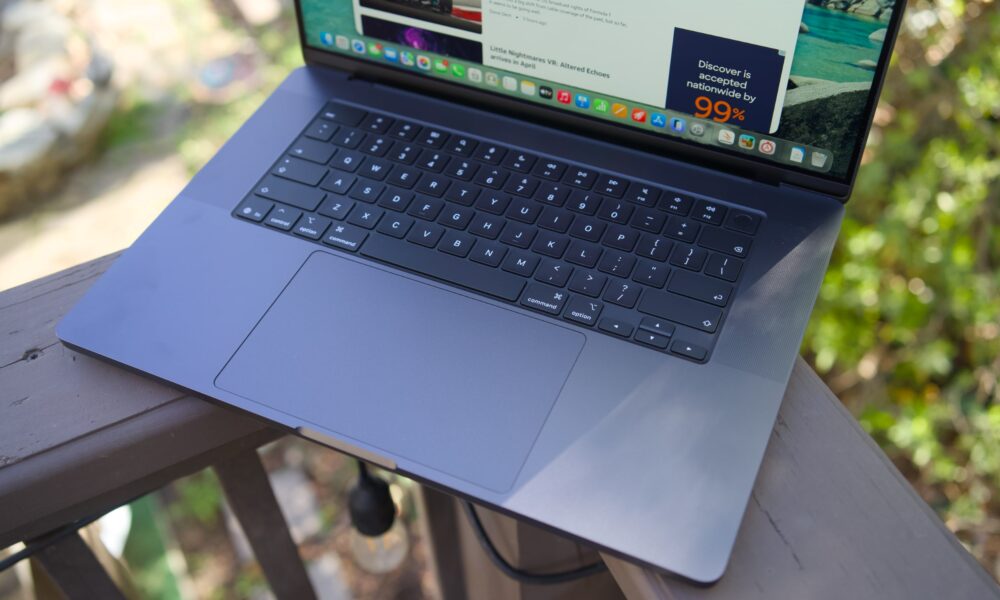
We’ve loved Apple’s 2021-era MacBook Pro design from the start, and the M5 Max edition is once again the professional notebook to beat. But it’s hard to deny that the star of Apple’s recent laptop rollout wasn’t its most powerful Pro systems — all eyes were on the $599 MacBook Neo. The MacBook Pro’s next time to shine is likely this fall, when Apple is expected to finally deliver OLED models and a dynamic touchscreen interface. (I’ve argued before that, at this point, Apple has no excuse not to give us touchscreen Macs.)
This generation of MacBook Pro might just be the last gasp of the 2021 remodel. It’s still an incredibly powerful machine that’s been honed to near-perfection, but if you’re looking for something that feels truly new, it may be worth waiting several months.
It’s not too surprising to see the M5 Pro and Max MacBook Pros be relatively low-key efforts. Apple launched the M5 14-inch MacBook last fall with a mere press release. But at least that model delivered a noticeable leap in graphics performance. The new M5 Pro and Max chips are a bit faster than before, but they don’t really have any major features to call out. (Unless you’re super excited about Neural Accelerators for AI work.)
I don’t want to sound like I’m complaining too much, though. The 16-inch M5 Max MacBook Pro I’m reviewing is still a gorgeous laptop, with an overall design that most premium Windows PC makers are still trying to copy. Apple’s unibody metal frame design still feels rock solid. There’s a generous amount of ports, including three Thunderbolt 5 USB-C connections, HDMI, a headphone jack and a SD card reader. Its 16-inch Liquid RetinaXDR screen also looks incredible, thanks to its bright Mini LED backlighting, and there’s once again a nano-texture option to reduce glare.
What else could you want in a laptop? I suppose there’s the lingering feeling that an OLED screen would look better, with sharper contrast and pure black levels. But you’d be hard pressed to find much else to complain about with the MacBook Pro’s screen. I’m also intrigued to see how Apple implements a touchscreen interface alongside macOS in upcoming MacBook Pros, but I’ll admit, I haven’t really been compelled to touch this laptop’s display much.
Touchscreens always seemed like a quixotic effort for laptops — they’re nice to have, but Microsoft has been trying to shove them into PCs for 15 years now. The addition of touchscreens really didn’t improve the overall Windows experience much. So I wasn’t surprised to see Apple take its time bringing the technology to macOS — if you really want to swipe around screens, just get an iPad.
MacBook Pro 16-inch (2026, M5 Max) keyboard and trackpad
Devindra Hardawar for Engadget
But back to this MacBook Pro: I still love everything about Apple’s current design. Sure, the keyboard could have a bit more depth, but it withstood my furious typing like a champ. (Unlike Dell’s XPS 14, which tried so hard to be a MacBook Pr